Table of contents
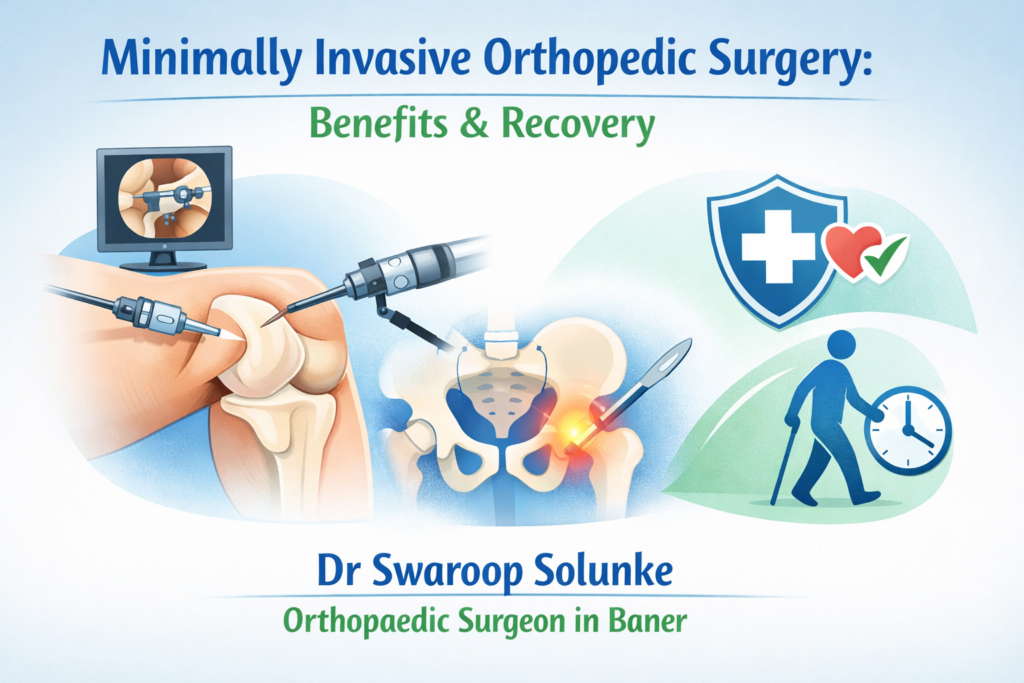
Modern orthopedics has transformed the way bone and joint conditions are treated. Minimally invasive techniques are helping patients in Baner and across Pune return to pain-free lives faster — with less trauma, smaller incisions, and shorter hospital stays.
What Is Minimally Invasive Orthopedic Surgery?
Minimally invasive orthopedic surgery (MIOS) refers to a group of advanced surgical techniques that allow orthopedic surgeons to treat conditions of the bones, joints, muscles, and ligaments through very small incisions—often just a few millimeters in size. Unlike traditional open surgery, these procedures use specialized instruments, cameras (arthroscopes), and imaging guidance to access the surgical site with minimal disruption to the surrounding tissue.
Common procedures performed using minimally invasive approaches include arthroscopic knee and shoulder surgery, spinal decompression, hip replacement, fracture fixation, and ligament reconstruction. For patients searching for a trusted orthopedic surgeon in Baner, understanding the advantages of these techniques can help you make a confident, informed decision about your care.
Key Benefits of Minimally Invasive Orthopedic Surgery
The shift toward minimally invasive techniques has been one of the most significant advances in modern orthopedics. Here are the core benefits patients can expect:
Smaller Incisions
Tiny cuts mean less tissue damage, reduced scarring, and a more cosmetically acceptable outcome.
Faster Recovery
Most patients resume light activities within days and return to work significantly sooner than with open surgery.
Reduced Blood Loss
Precise instrumentation limits intraoperative bleeding, lowering the need for transfusions.
Lower Infection Risk
Smaller wounds mean a significantly reduced risk of post-surgical site infections.
Less Post-op Pain
Minimal tissue disruption results in less post-operative discomfort and reduced dependency on pain medication.
Shorter Hospital Stay
Many MIOS procedures are performed as day surgeries, allowing patients to recover in the comfort of home.
Conditions Commonly Treated
- Knee conditions: Meniscal tears, ACL injuries, cartilage damage, and osteoarthritis managed through arthroscopic procedures.
- Shoulder disorders: Rotator cuff tears, shoulder impingement, and recurrent dislocations treated with arthroscopic surgery.
- Spinal problems: Herniated discs, spinal stenosis, and nerve compression are addressed through micro-discectomy or endoscopic spine surgery.
- Hip conditions: Hip labral tears and femoroacetabular impingement corrected with minimally invasive hip arthroscopy.
- Fracture fixation: Complex fractures stabilized using percutaneous screws or plates through minimal skin openings.
- Joint replacement: Partial or total knee and hip replacement performed through muscle-sparing approaches.
What to Expect During Recovery
Recovery from minimally invasive orthopedic surgery is typically more comfortable and predictable than traditional surgery. Here is a general timeline of what to expect:
- Days 1–3 (Immediate post-op): Rest is essential. Pain and swelling are minimal. Ice therapy and prescribed medications help manage discomfort. Most patients can bear weight or move the limb gently within 24–48 hours.
- Week 1–2 (Early mobilization): Physiotherapy usually begins within the first week. Gentle range-of-motion exercises restore joint function and prevent stiffness. Wound care is straightforward with small dressings.
- Weeks 3–6 (Active rehabilitation): Structured physiotherapy intensifies. Strength, balance, and endurance are progressively restored. Most patients return to desk work or light daily activities during this phase.
- 2–4 months (Return to full activity): Depending on the procedure, full return to physical activity, sports, or demanding work is achieved. Regular follow-ups with your orthopedic surgeon monitor progress.
Important: Recovery timelines vary based on the procedure, patient age, overall health, and adherence to physiotherapy. Your surgeon will provide a personalized rehabilitation plan tailored to your specific condition and goals.
Are You a Candidate for Minimally Invasive Surgery?
Not every patient or condition is suitable for a minimally invasive approach. Ideal candidates are generally those with a well-defined, accessible injury or joint condition, good overall health, and realistic recovery expectations. Your orthopedic surgeon will evaluate your medical history, imaging reports (X-rays or MRI), and functional limitations before recommending the most appropriate surgical technique.
Patients who have previously undergone joint surgery, have significant bone deformity, or present with advanced arthritis may require a modified or open approach. An expert consultation remains the most important first step in determining the right treatment pathway for you.
Why Choose Dr Swaroop Solunke Orthopedic Surgeon in Baner
Dr. Swaroop Salunkhe is a highly trusted and experienced orthopedic surgeon in Baner, Pune, known for his expertise in advanced orthopedic surgery, pain management, trauma care, sports injury treatment, and joint preservation techniques. With a patient-centric approach and a strong commitment to medical excellence, he focuses on restoring movement, relieving pain, and improving the overall musculoskeletal health of his patients.
Minimally invasive orthopedic surgery is a modern surgical technique where the doctor makes very small cuts instead of large incisions to treat bone and joint problems. It causes less pain, less blood loss and helps patients recover faster compared to traditional open surgery.
Recovery time depends on the type of procedure, but most patients can resume light activities within a few days and return to normal routine within 3 to 6 weeks.
Yes, it is generally very safe when performed by a trained and experienced orthopedic surgeon. It actually carries a lower risk of infection, complications, and blood loss compared to traditional open surgery.
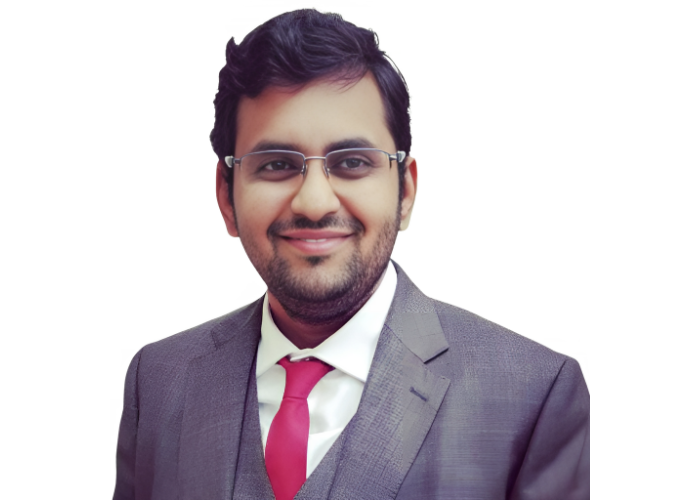
Dr Swaroop Solunke
Dr. Swaroop Salunkhe is a trusted orthopedic surgeonin Baner, Pune, specializing in advanced orthopedic surgery, pain management, trauma care, sports injury treatment, and joint preservation. He is dedicated to restoring mobility and improving musculoskeletal health through accurate diagnosis, evidence-based treatment, and compassionate care.